Continuous use of alcohol, medical drugs and stimulants can lead to harmful habits of addiction. Alcohol Addiction is a leading and serious concern that affects millions of people worldwide. Some common disorders such as anxiety, depression and temporary cognitive deficits are associated with heavy Alcohol Addiction. It is primarily important to identify the alcohol addiction signs for timely recovery and treatment. Symptoms of Alcohol addiction in adults can include loss of control, excessive drinking and increased tolerance.
Learn more to understand the early warning signs and its intervention.

Understanding Alcohol Addiction
An excessive use of Alcohol for a longer period of time can lead to chronic alcohol disorder. Alcohol Addiction is a serious condition that involves inability of control on drinking, strong cravings, lose temper, reduction in work activities etc. The symptoms of Alcohol Addiction depend on the condition severity, from mild to moderate which can also lead to serious health risks.
Unhealthy Alcohol Addiction can go through from the four C’s such as compulsion, control, craving and consequences. It is essential to address the symptoms and overcome the addiction. In the United States, there are over 30 million people who are affected by alcohol early in life.
10 Early Warning Signs of Alcohol Addiction
Alcohol Addiction signs play an essential role in identifying the severity of consumption. Early detection of alcohol addiction symptoms is critical to preventing it from developing into an addiction. Here are 10 early warning signs to watch out for:
Increased Drinking Frequency
A person who drinks excessively regularly can be a sign of Alcohol Addiction. To cope with stress and maintain relaxation, some people consume more alcohol. This might be a sign of alcohol abuse. An indication that an individual is addicted to alcohol is drinking on a daily or hourly basis in order to feel the effects, which is an alarming addiction sign.
Loss of Control
An individual who has a strong desire for alcohol and cannot stop drinking is one of the alcohol abuse warning signs. This happens when a person starts drinking Alcohol but keeps experimenting with it over time, which leads to Alcohol Addiction. This leads to bad habit formation, unhealthy eating patterns, inattention in their personal & professional lives, and moody behaviour.
Physical Alcohol Addiction Symptoms
Constant use of Alcohol develops physical changes in your body that disturb the overall health system. It includes nausea, vomiting, rapid weight changes, headache, insomnia, etc. Some people might experience visible Alcohol Addiction symptoms such as shaking, tremors, sweating, and trembling hands. This warning sign seeks medical emergency.
Neglecting Core Memories
Due to Alcohol Addiction, a person may neglect core memories as a result of their addiction. It includes family gatherings, professional work, short-term memory loss, discarding activities, and hobbies. If you are a person who is neglecting essential memories, you may be experiencing this as a warning sign.
Hiding and Lying about Drinking
A severely addicted individual struggles with the overconsumption of alcohol, which has led him to lie about drinking. This includes hiding bottles, downplaying drinking habits, trying to deny, and sneaking drinks. This is a classic symptom of Alcohol Addiction that should be overcome with healthy counselling.
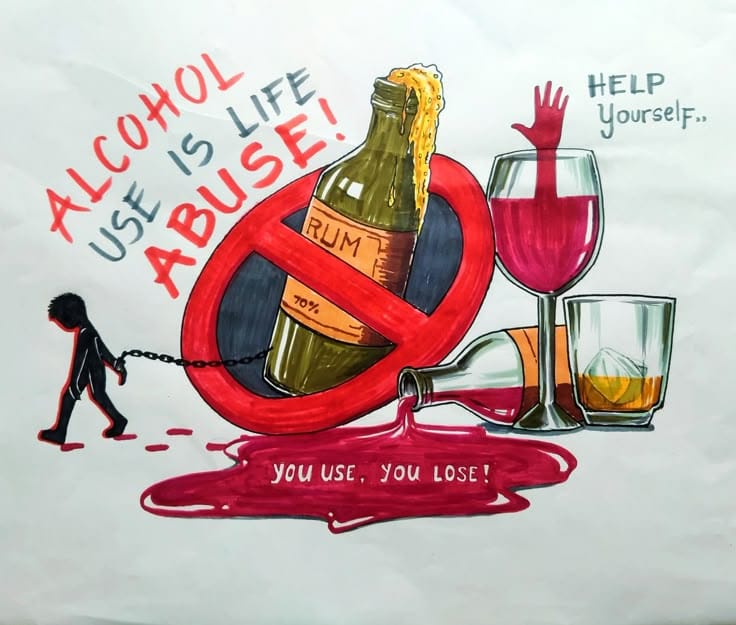
Continuing to Drink Despite Negative Consequences
When a person cannot stop drinking even when they know the negative consequences, it can be extremely harmful to their health. Also, it may show a negative impact on relationships, family, and work activities. Despite drinking, it can also lead to serious consequences such as health problems, including depression, anxiety, and liver disease, etc.
Engaging in Risky Behaviors While Drinking
A person who is addicted to alcohol is likely to resume drinking habits in their routine, which could lead to harmful behaviors. This can include harmful activities such as driving while drinking, unprotected sex, conflicts, etc. These risky behaviors can put a person at risk, and may be a sign of Alcohol abuse warning signs.
The Financial Toll of Excessive Drinking
In some cases, excessive alcohol consumption can lead to financial instability for a person. It includes medical expenses, alcohol purchasing, criminal and legal costs, lost productivity, and dependency. Alcohol addiction symptoms can also lead to neglecting financial responsibilities. These financial consequences can make life worse; it’s better to consult with healthcare professionals to seek help.
Feeling Restless when not Drinking
People addicted to alcohol may experience restless feelings due to an imbalance of natural chemicals in the body. Also, some common symptoms when a person stops drinking, such as mood swings, insomnia, and anxious and irritable behaviour. These symptoms can lead to physical dependency on alcohol, which requires treatment.

Shame and Guilt: Cycle of Drinking
In the shame and guilt cycle, a person drinks to cope with the stress and relax, but ends up feeling ashamed and guilty about it. It can trigger more drinking habits, along with difficulties moving forward towards a healthier lifestyle. It is crucial to break the drinking cycle with the help of professionals and move towards a healthy life.
Treatment Options for Alcohol Addiction Recovery
Alcohol Addiction is a life-threatening disorder that ruins lives, financial stability, and a healthy lifestyle. It requires effective and proper treatment to cope with alcohol addiction. To do home treatment, it is dangerous for a person to treat a person without medical help, which may end up with uncontrolled withdrawal symptoms. Here are some effective options at Revive Roots Recovery:
- Detoxification
- Counselling and therapy
- Alcohol Rehabilitation
- Personalized Medical Treatment
As a way to overcome alcohol addiction, we have a team of experienced clinical professionals on board to offer the treatment our clients require. We have evidence-based programs such as residential, transitional, medical detox, and partial hospitalization programs. Additionally, we also create personalized recovery plans. Join us to save your life from addictions.
Reference list
National Institute on Alcohol Abuse and Alcoholism (2021). The Cycle of Alcohol Addiction. [online] www.niaaa.nih.gov. Available at: https://www.niaaa.nih.gov/publications/cycle-alcohol-addiction.
Schuckit, M.A. (2009). Alcohol-use Disorders. The Lancet, [online] 373(9662), pp.492–501. doi:https://doi.org/10.1016/s0140-6736(09)60009-x.