The drugs Modafinil and Armodafinil are both wakefulness-promoting agents. As smart drugs for focus, both Modafinil and Armodafinil are widely used for the treatment of various diseases, including hypersomnia, ADHD, chronic depression, and narcolepsy. Also, Modafinil and Armodafinil belong to a drug class called medical stimulants. It comes under the category of Dopamine reuptake inhibitors.
In this article, you will learn about the critical differences when using smart drugs for specific treatments, dosages, and potential side effects to determine which ones help focus and increase energy.
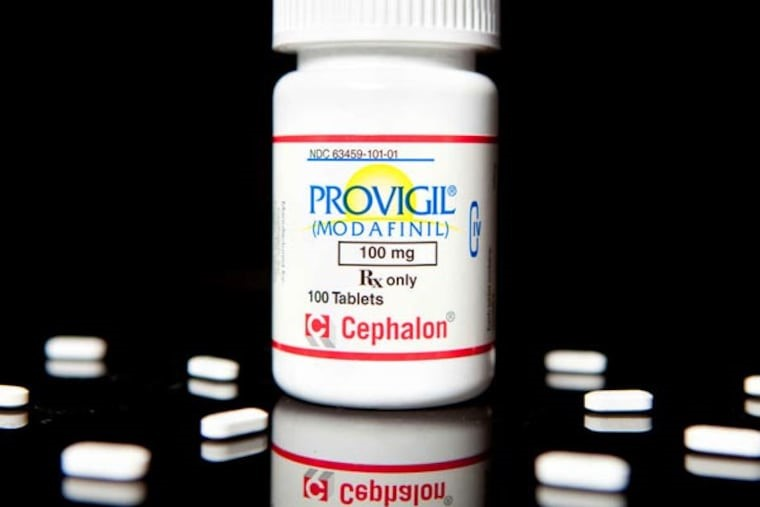
What is Modafinil?
Modafinil is a powerful wakefulness-promoting agent specifically used to treat excessive daytime sleeping disorders such as ADHD, narcolepsy (a disorder affecting circadian rhythm), obstructive sleep apnea (a hindrance in the airway during sleep), etc. Modafinil for ADHD is used off-label to improve cognitive functioning. It also regulates the wake cycle. A primary mechanism behind its action is the reduction of dopamine reuptake in nerves, which improves dopamine levels. It is sold under the brand name “Provigil”. The commercial availability of Modafinil is in the form of tablets, taken orally, in doses of 100mg and 200mg.
Additionally, Modafinil is a compound that is a mixture of two enantiomers. It includes Ar-modafinil and es-modafinil. They have their own life and a stable connection.
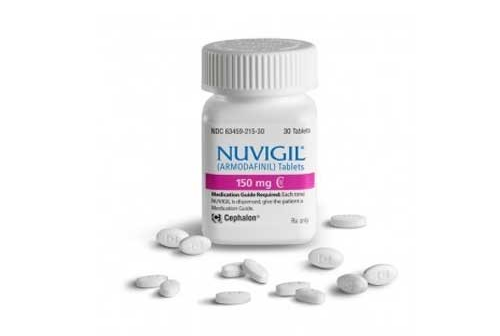
What is Armodafinil?
Armodafinil is another type of wakefulness-promoting agent closely related to Modafinil. It is used to treat the same excessive daytime sleeping disorders treated by Modafinil. Armodafinil is a more stable and long-lasting component that sustains effects. Additionally, the physiology behind its action involves increasing dopamine levels in the brain and reducing the reuptake of dopamine. The recommended armodafinil dosage is typically 150-250mg once a day, but this may vary depending on the severity of the condition.
Wakefulness Promoting Agents: Importance and Acceptance
Modafinil and Armodafinil both work as wakefulness-promoting agents. They have primarily gained attention in recent times due to their designed focus and energy. It has been recently approved and accepted that wakefulness-promoting agents, specifically Modafinil and Armodafinil, can be used for people suffering from MS (Multiple Sclerosis), narcolepsy, ADHD, depression, anti-psychotic-induced medication, and other conditions. Their ability to enhance focus and energy made them more powerful for cognitive functioning.
Similar benefits of Modafinil vs Armodafinil include:
The two smart drugs (Modafinil and Armodafinil) are effective in enhancing focus and energy for individuals to overcome the symptoms. But there are some similarities in Modafinil and Armodafinil side effects, such as:
- Improved wakefulness
- Boost in Energy Levels
- Enhanced cognitive functions
- Focused and productive
Contrasting Benefits of Modafinil vs Armodafinil
Although Modafinil and Armodafinil share commonalities, they also have some key differences in their effects. It helps an individual choose the best smart drug for focus and energy, taking into account their specific needs and individual differences.
Duration of Action: The half-life of Armodafinil is 10-15 hours, while Modafinil offers a duration of 9-10 hours. Armodafinil has a longer half-life and sustained effects due to its ability to maintain increased plasma concentrations compared to Modafinil.
Effects: Modafinil shows faster effects, while Armodafinil offers a more gradual onset of action.
When choosing between Modafinil and Armodafinil, it is essential to consider the smart drug for focus and energy based on the severity of symptoms and individual needs.
Side Effects: Modafinil vs Armodafinil
Generally, both smart drugs are well-tolerated, but if taken with any medication, they can lead to some side effects. Armodafinil and Modafinil side effects fall into two basic categories: common side effects and uncommon side effects.
Common side effects: Common side effects of Armodafinil and Modafinil include substance addiction, headache (discomfort or pain in the head), insomnia (absence of sleep), dizziness, rhinitis (swelling of the nasal passages), diarrhea, and back pain.
Uncommon side effects: Uncommon Armodafinil and Modafinil side effects include psychotic issues such as anxiety, depression (feeling of despair), mood changes, and allergic reactions etc. It can also cause Cardiovascular problems, affecting the heart’s rhythm and blood pressure.
Contraindication for Modafinil and Armodafinil
Individuals should avoid specific medications due to potential risk factors. In addition to wakefulness-promoting agents, Modafinil and Armodafinil are not suitable smart drugs. They are contraindicated in certain cardiac conditions, including:
- Congenital disorders (disorders by birth)
- Pregnancy and Breastfeeding
- Hypersensitivity (abnormal immune response) disorders
- Liver impairment
- Schizophrenia
- Mania (feelings of rapid emotional changes)
It is essential to consult a healthcare professional for the best treatment plan to manage the symptoms effectively.
Which smart drug is more effective for improving focus and energy?
Both Modafinil and Armodafinil are effective smart drugs to be used for specific guidance. Also, as the reaction of both drugs is different, the smart drug for focus depends on the duration of the drug required, according to the patient’s disorder. If a shorter duration of action is needed, then Modafinil should be the drug of choice, while the opposite is true for Armodafinil.
Factors to consider: Modafinil vs Armodafinil
- The dosage of Modafinil and Armodafinil should be as prescribed.
- Take vitamins and other supplements in moderation, as they can interact with the medication.
- Avoid taking excessive caffeine.
- The side effects associated with Armodafinil and Modafinil dosage should be noted and managed.
- Improve health and sleep routine
- Following the appointment with the doctor regularly
Conclusion
Modafinil and Armodafinil are both well-tolerated and powerful wakefulness-promoting agents. Hence, the smart drug of focus depends on the patient’s need and demand, considering the patient’s disorder. Modafinil has a short duration of action, while Armodafinil has a longer duration of action. A variety of benefits of both drugs are listed above. Modafinil for ADHD, bipolar disorder, and Major depressive disorder plays a vital role in regulating the circadian rhythm of the patient. It is essential to choose the best smart drugs for focus and energy to receive adequate treatment under the supervision of healthcare professionals.
Reference:
Antic, N.A., Catcheside, P., Buchan, C., Hensley, M., Naughton, M.T., Rowland, S., Williamson, B., Windler, S. and McEvoy, R.D. (2011). The Effect of CPAP in Normalizing Daytime Sleepiness, Quality of Life, and Neurocognitive Function in Patients with Moderate to Severe OSA. Sleep, 34(1), pp.111–119. doi:https://doi.org/10.1093/sleep/34.1.111.
Gerardo Sison (2020). Armodafinil vs. modafinil: Differences, similarities, and which is better for you. [online] The Checkup. Available at: https://www.singlecare.com/blog/armodafinil-vs-modafinil/.
Shirley, K. and Servid, S. (n.d.). OHSU Drug Effectiveness Review Project Summary Report – Off-label Use of Modafinil (Provigil TM ) and Armodafinil (Nuvigil TM ). [online] Available at: https://www.orpdl.org/durm/meetings/meetingdocs/2019_07_25/archives/2019_07_25_Modafinil_DERPSummary.pdf [Accessed 1 Oct. 2025].
Young, T., Palta, M., Dempsey, J., Skatrud, J., Weber, S. and Badr, S. (1993). The occurrence of sleep-disordered breathing among middle-aged adults. The New England journal of medicine, [online] 328(17), pp.1230–5. doi:https://doi.org/10.1056/NEJM199304293281704.