Quitting alcohol can be challenging for an individual, but it shows important impacts on the body. It helps to improve bodily functions and overall health. But what changes come to your body during this period?
When you stop drinking alcohol, your body begins to show alcohol withdrawal symptoms such as headache, insomnia, and disturbed gut health. However, the body takes time to overcome the symptoms and adjust to the benefits of quitting alcohol.
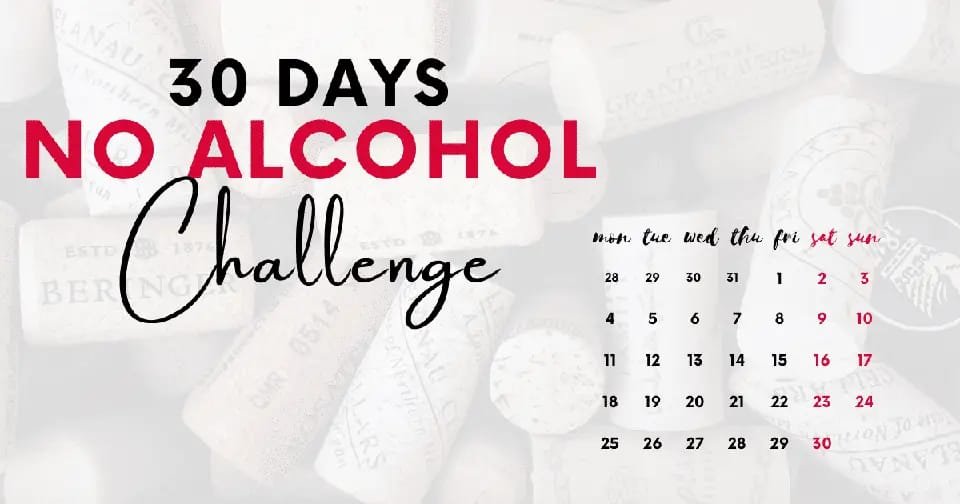
If you consider yourself for the 30-day alcohol challenge, it is essential to understand how to detox from Alcohol safely.
In this article, learn about the body changes when you quit alcohol for 30 days, and guidance on how to detox from alcohol safely.
Alcohol Detox Symptoms: First 3 Days
The process of Alcohol to be excreted from the body depends on several factors such as the amount of alcohol, metabolism, body weight, and intake frequency. Generally, it takes 22 hours to 48 hours to leave through urination. When the person stops drinking alcohol, the body may experience alcohol detox symptoms. It comes in different ranges, including:
- Anxiety and jitteriness
- Nausea
- Vomiting
- Headaches and fatigue
- Insomnia
- Irritability
These symptoms can be uncomfortable, but they are a sign that your body is starting to recover from the effects of alcohol. To overcome the impact of symptoms, stay hydrated and seek medical attention.
Physical Health Changes and Benefits: Day 4 to 14
Alcohol detox symptoms usually disappear after a week as the body adjusts to life without alcohol. In the process of 30 30-day alcohol challenge, the body shows better changes in improving overall health. Here are the benefits of quitting alcohol, you may notice:
Improved liver function: The Liver works as a filter in the body, by cleaning blood, producing bile, and also helping in the processing of nutrients. If you consume excessive amounts of alcohol, your liver will take the load, which could cause mild liver damage. By quitting Alcohol for several days, the liver starts healing itself and functions well, which helps in the detoxification process.
Weight Loss: Excessive alcohol consumption contains high calorie intake and zero nutrient density. By quitting alcohol, a person feels lighter and may also experience weight loss and improved metabolism.
Better sleep: Alcohol makes a person sleepy, but it can disrupt sleep patterns. By Quitting can lead to improved sleep quality and duration. This also normalizes sleep patterns and increases energy levels.
Increased energy: Without the dehydrating effects of alcohol, you’ll notice an increase in energy levels and a reduction in fatigue.
Mental Health and Emotional Change: Day 15 – 30
The final touch is almost complete for the person who is taking part in the 30-day alcohol challenge. Although Alcohol helps manage the mood swings, it can later make the symptoms worse. Here are some of the benefits of quitting alcohol:
Improved mental health and mood stability: As soon as a person stops drinking alcohol, they start to notice a rebalance in their brain chemical imbalance. It improves cognitive functioning, reduces mood swings, and helps in emotional balance.
Reduced anxiety and depression: A person can handle daily challenges due to the reduction in stress and anxiety symptoms. Also, serotonin, a “feel-good” hormone, increases that lead to improved mood stability and reduced depression symptoms.
Improved Gut Health: Alcohol also disturbs the gut health, which can lead to stomach disturbance, bloating, heartburn, and digestive issues. By quitting Alcohol, the gut health symptoms improve within four weeks.
Increased self-esteem: A person can feel lively and likely to feel a sense of accomplishment and boost their self-esteem after they quit drinking alcohol.
How to Detox from Alcohol Safely?
To remove Alcohol from your life can be challenging, but it also depends on the severity. Some people detox from alcohol within a few weeks, and others take time up to months. Detoxing can be difficult, but it improves health and overall life. Here are some guidelines that can help you detox from alcohol safely:
- Always choose medical professionals to assess the severity of symptoms and make your desired plan accordingly.
- Use of alcohol disturbs gut health, nutrient absorption, and electrolyte imbalance. It is essential to focus on a healthy diet and stay hydrated to manage the withdrawal symptoms.
At Revive Roots Recovery, we are offering a personalized 30-day alcohol challenge that will help you remove alcohol from your life. We have professionals on board to guide you, so don’t wait for symptoms to overload. Start your journey to improve health.
How to Quit Alcohol Permanently?
Quitting Alcohol permanently requires a lifetime commitment to yourself regarding your health and lifestyle. It requires a healthy mindset to take on a challenge towards a healthy journey. Here are some strategies to quit alcohol permanently:
- Need a supportive connection: Always connect with people who support you and motivate you to stay on track. You can also join a Revive Roots Recovery counselling session to achieve the goal.
- Focus on healthy alternatives: Make yourself engage in your favorite activities, such as working out, spending time with loved ones.
- Identify triggers: Understand your triggering points to cope with them and find alternatives to avoid and manage them in different ways.
Conclusion:
A great step towards life by choosing 30 30-day alcohol challenge is just the beginning of your journey. You can experience multiple benefits by just quitting alcohol, including improved health and a stronger immune system. With the right mindset and proper medical support, it will be a healthier and much easier journey for you. By understanding the benefits of quitting alcohol and how to detox from alcohol safely, you can achieve your goals in life.
Reference list
Beyond Blue (2024). Alcohol and mental health – Beyond Blue. [online] Beyondblue.org.au. Available at: https://www.beyondblue.org.au/mental-health/alcohol-and-mental-health.
Cherney, K. (2017). How Long Does Alcohol Stay in Your Body? [online] Healthline. Available at: https://www.healthline.com/health/how-long-does-alcohol-stay-in-your-system.
Colrain, I.M., Nicholas, C.L. and Baker, F.C. (2014). Alcohol and the sleeping brain. Handbook of Clinical Neurology, [online] 125(125), pp.415–431. doi:https://doi.org/10.1016/b978-0-444-62619-6.00024-0.
Hobson, R.M. and Maughan, R.J. (2010). Hydration Status and the Diuretic Action of a Small Dose of Alcohol. Alcohol and Alcoholism, [online] 45(4), pp.366–373. doi:https://doi.org/10.1093/alcalc/agq029.